Cyberidentity Diffusion
A proposed framework from Citizen 6.0: The New Psychology of Superintelligence
What this is, and what it isn’t. Cyberidentity Diffusion is a working concept from my forthcoming book Citizen 6.0, developed to help clinicians, educators, and citizens name a pattern of distress that existing categories only partly capture. It is not a recognized diagnosis in the DSM or ICD, and it is not the same condition as Dissociative Identity Disorder. Nothing on this page is medical or psychological advice; if you are concerned about your own mental health or someone else’s, please speak with a licensed clinician.
The idea
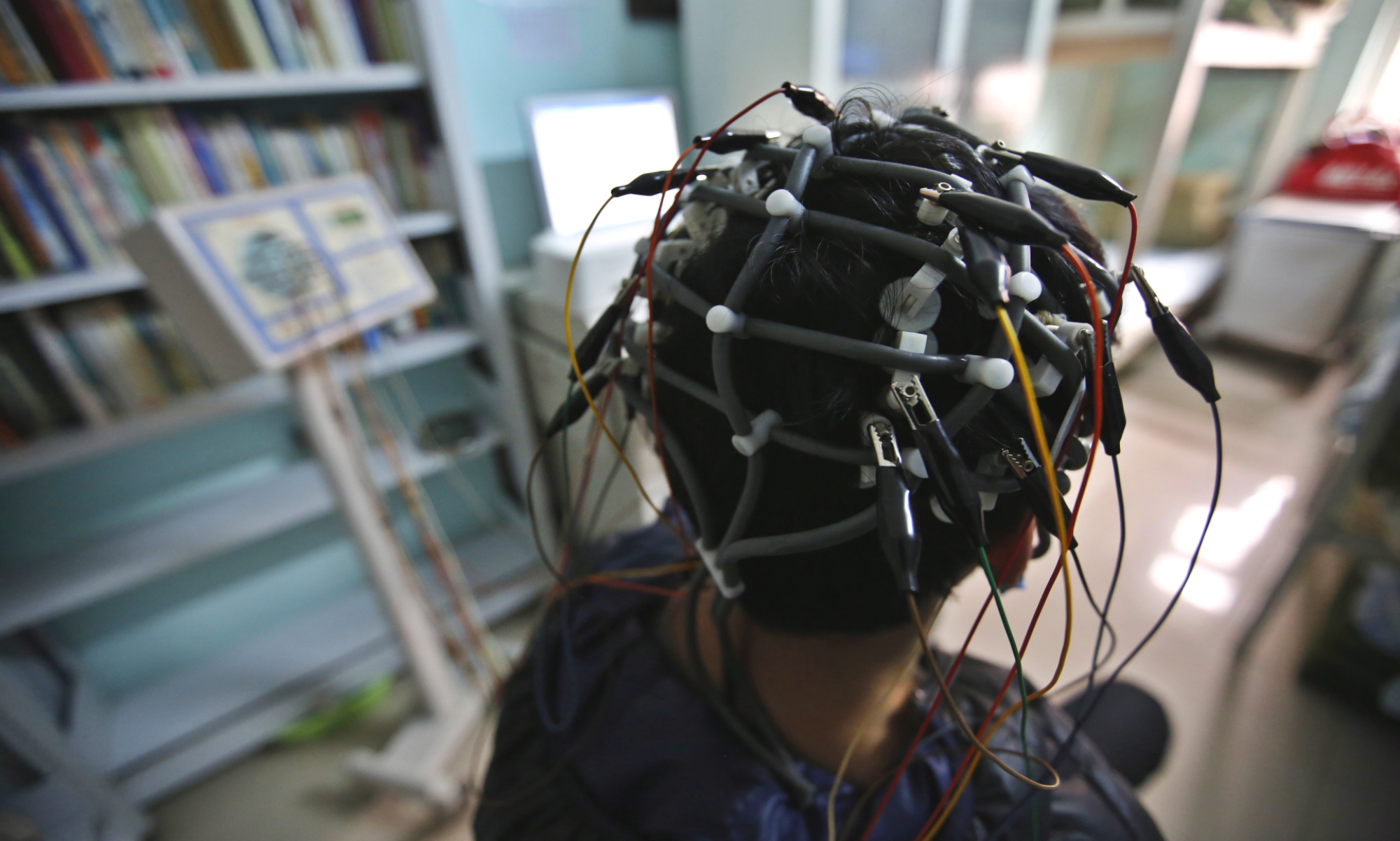
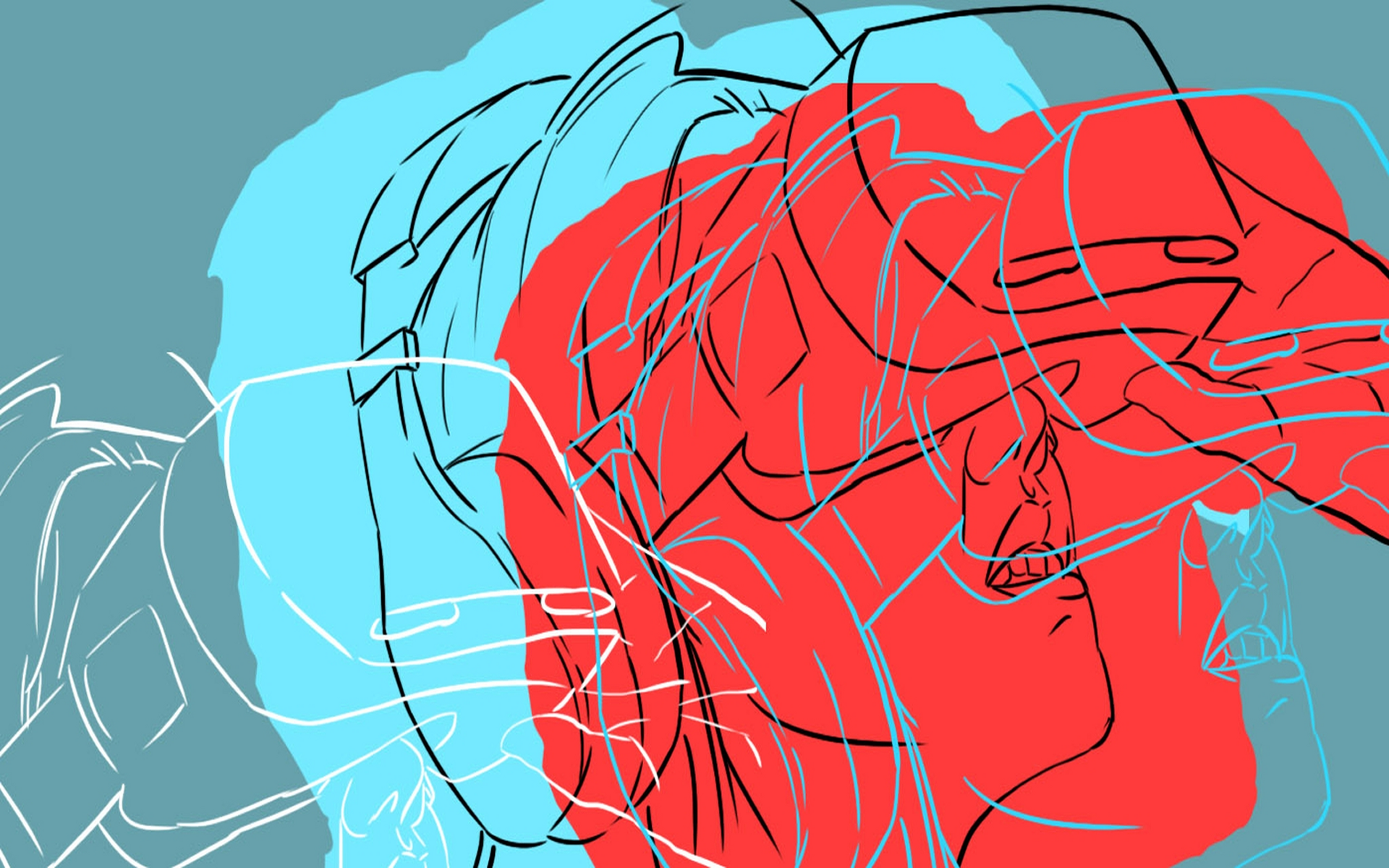
Most of us now exist as several representations we did not author and cannot fully see: a search and recommendation profile, a voice clone, a fitness or health record, an employer’s file, a log of conversations with an AI system, a synthetic likeness used across platforms. These representations routinely disagree with one another, and with how we experience ourselves. Cyberidentity Diffusion names the quiet, persistent uncertainty that can follow — not knowing which version of you is “the one that counts,” paired with a low-grade vigilance about how you are being represented to systems you cannot inspect or correct.
Why this is not Dissociative Identity Disorder
It’s a deliberate, careful distinction, not just a rebrand. Dissociative Identity Disorder involves
internally instantiated identity states, separated by amnesic walls that are psychological in origin.
Cyberidentity Diffusion describes something structurally different: the fragments are
externally instantiated — held by platforms and systems outside the person — and the
“walls” between them are commercial and computational, not psychological. The person usually knows
the fragments exist; they simply cannot reach or reconcile them. Citizen 6.0 treats this as an
information-age condition, not a dissociative disorder, and is explicit that the term is offered as
working clinical vocabulary rather than a candidate for formal diagnostic codification.
One of five proposed “ASI-era” concepts
Cyberidentity Diffusion is one of five provisional concepts Citizen 6.0 proposes for naming distress patterns tied to living alongside advanced AI — offered cautiously, with explicit criteria for what would prove each one wrong. The other four are Asymmetric Relational Disorder, AI-Mediated Complicated Grief, Capability Displacement Syndrome, and Inverse Pareidolia. All five are discussed in full, with their proposed criteria and open questions, in Citizen 6.0.
Related frameworks
Cyberidentity Diffusion sits alongside other Citizen 6.0 concepts for reading the human side of life with advanced AI, including the Asymmetric Attachment Model (why people form real bonds with systems that cannot reciprocate in any confirmable sense) and Reverse Theory of Mind (the practice of reading systems that model us better than we can model them). Read more about the book and the wider trilogy on the Citizen trilogy page, or see my background in AI and society on the About page.
For speaking or workshop engagements on this material, see engagement details or get in touch.
Cyberidentity Diffusion is proposed working vocabulary from Citizen 6.0: The New Psychology of Superintelligence, published by CRC Press, an imprint of Taylor & Francis Group. It has not been validated or adopted by any official diagnostic body.
Citizen 5.0, Citizen 6.0, and Citizen 7.0 are published by CRC Press, an imprint of Taylor & Francis Group. Publication dates for Citizen 6.0 and Citizen 7.0 are provisional pending final publisher confirmation.